Home Inspections in Bozeman, MT
Gallatin Valley home inspections you can rely on
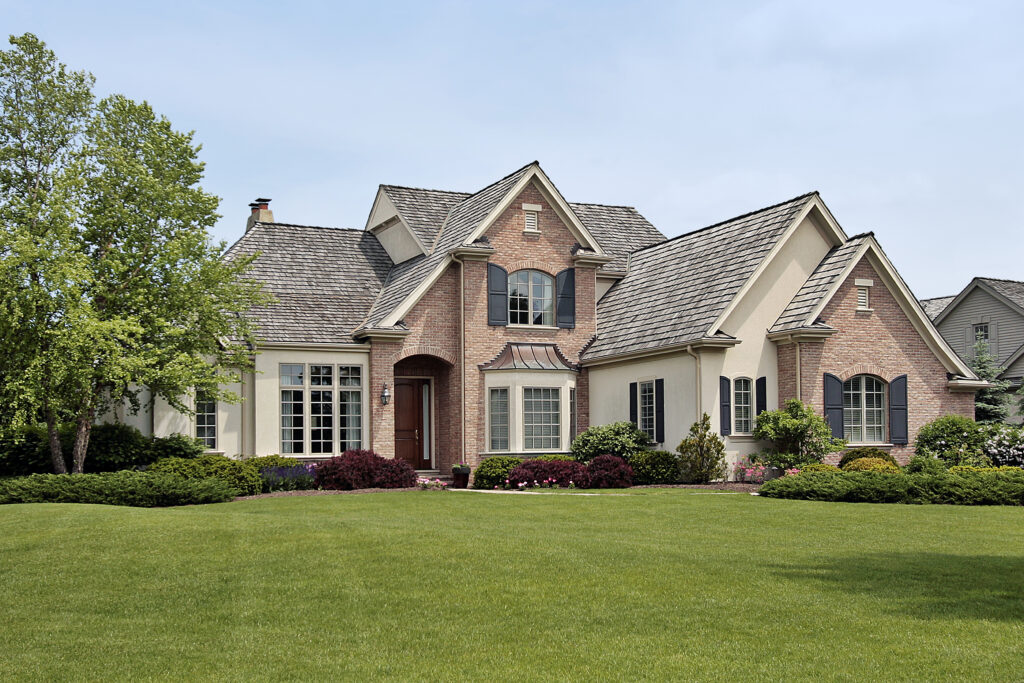
Bozeman, MT, has been changing fast. The Gallatin Valley has gone from a quiet college and ranching community to one of the fastest-growing housing markets in the country, with new subdivisions filling in the open ground between Belgrade and the Bridger foothills, custom builds going up along the foothills above the valley floor, and downtown neighborhoods seeing renovations on homes that have stood for more than a hundred years. With that much movement, a careful home inspection is the moment a buyer, seller, or owner finally slows down and actually looks at the property. That is the work our team at Riverbend Property Inspections takes on every week across the valley.
The services our home inspectors offer in Bozeman are focused on what matters most in this part of Montana. Residential inspections cover the entire house, from the rooftop to the foundation, with the time and attention a Bozeman home deserves. Radon testing addresses an indoor air quality concern that runs unusually high across much of Montana, including the Gallatin Valley. Mold testing addresses questions related to moisture history, basement conditions, ice dam events, or visible growth that require lab-verified answers. Water and well testing matters because so many properties outside the city limits rely on private wells, and the only honest way to know what is coming out of the tap is to test it. Each service stands on its own, and each gets the same disciplined treatment.
About Bozeman
Bozeman sits in the heart of the Gallatin Valley in southwest Montana, anchored by Montana State University and surrounded by mountains on almost every horizon. The Bridger Range rises to the north, the Gallatin Range stretches south, the Madison Range hovers to the southwest, and the Tobacco Roots and Spanish Peaks fill in the rest of the view on a clear day. The town was founded in 1864 during the early gold rush years and grew into an agricultural and academic hub during the late nineteenth and twentieth centuries. The pace stayed manageable for most of its history. The last fifteen years have been a different story, with population growth, housing demand, and real estate prices climbing at a pace that has reshaped the valley’s identity.
Today’s Bozeman is many things at once. It is a college town built around MSU, an outdoor recreation hub serving Bridger Bowl, Big Sky Resort, and the rivers and trails that fill the valley. It is a gateway community for Yellowstone National Park and a regional employment center for tech firms, healthcare systems, and a growing list of companies relocating from coastal markets. Real estate in the valley reflects that mix. Older homes near downtown sit a few blocks from neighborhoods built in the 1960s and 1970s, which sit a few blocks from contemporary subdivisions where the framing crews have only recently finished. Custom builds dot the foothills, with views that justify the climb.
The climate affects every home in this region. Bozeman sits at roughly forty-eight hundred feet of elevation, with cold winters, mild summers, and the kind of seasonal temperature swings that put serious stress on roofs, plumbing, and exterior finishes. Snow load matters for roof systems; ice dams can develop in attics with insufficient ventilation or insulation; and freeze-thaw cycles take a toll on foundations, driveways, and exterior cladding. Spring runoff puts seasonal pressure on grading, drainage, and basement walls. Summer is short and intense, with strong UV at this altitude and the occasional smoky haze from regional wildfires. Each of those factors leaves traces on the homes our inspectors evaluate.
Housing Insights
A residential home inspection in Bozeman covers the full house, including the roof system, exterior envelope, structural components, attic, electrical service and distribution, plumbing supply and drain lines, HVAC equipment, interior finishes, doors, windows, and the basement, crawl space, or slab foundation. Our home inspectors pay particular attention to roof condition under Montana snow load, the way ice and snow shed off ridges and valleys, attic insulation depth, vapor barrier integrity, and ventilation patterns. Foundations get a careful read for signs of seasonal soil movement, frost-related cracking, and water management at the perimeter.
Mechanical rooms in Bozeman homes tell a long story when read carefully. Older homes may carry the layered history of multiple heating systems, including original gravity furnaces, mid-century forced-air systems, modern high-efficiency equipment, and the venting and distribution systems that accompanied each upgrade. Wood stoves and pellet stoves are common as supplemental heat, and our inspectors pay attention to clearances, hearth construction, venting, and the condition of the appliance itself. Newer homes often feature high-efficiency furnaces, heat recovery ventilators, and tighter building envelopes that introduce their own considerations around moisture, air sealing, and indoor air quality.
Radon testing belongs on most checklists across the Gallatin Valley. Much of Montana, including Gallatin County, is designated by the EPA as having elevated radon potential, and individual home readings can vary substantially from neighboring properties. We run radon tests under closed-building conditions, present results in plain language, and walk through mitigation options when warranted, without sales pressure.
Mold testing addresses moisture concerns that come up in this climate more often than people might assume. Cold winters with high indoor humidity, basements with seasonal water intrusion, attics with a history of ice dams, and crawl spaces with marginal vapor management can all create conditions where moisture and microbial growth warrant closer attention. Lab-verified sampling gives buyers and owners a real basis for next steps.
Water and well testing are essential for properties outside the city limits. Standard bacteria and nitrate panels are a starting point, with broader mineral, metals, and contaminant testing available based on the well’s age, depth, and surrounding land use. A clear lab result gives buyers and owners the information they need to decide on filtration, treatment, or further action.
Popular Neighborhoods
Bozeman’s neighborhoods cover an unusually broad range. The historic streets near downtown, including the Bon Ton Historic District and the residential blocks around Beall Park, are home to many of the city’s oldest homes. Inspections in this area regularly involve plaster walls, original woodwork, layered electrical work, plumbing materials that span multiple generations, and basements that have been finished, refinished, and updated across decades.
The South University and North University neighborhoods near MSU mix older homes with rentals, renovations, and ongoing infill. Bridger Creek and the foothills neighborhoods to the north climb into the trees along the base of the Bridger Range, with custom builds and larger lots that come with their own considerations for grading, slope, deck construction, and defensible space for wildfire.
Valley West, Cattail Creek, Norton Ranch, and the newer subdivisions on the west side of town account for much of the inventory built in the last two decades. Inspections here typically involve newer systems, more recent finish work, and the kinds of items that show up consistently on relatively new builds, including grading and drainage at the perimeter, attic detail, HVAC commissioning, and finish work that may benefit from a closer pass.
The Triple Tree and Sundance Springs neighborhoods, along with the larger lots and custom builds south of town and along the foothills, bring a different kind of property to the inspection table. Larger homes with multiple heating zones, complex roof geometries, detached shops, well and septic systems, and sometimes guest houses or barns all require their own attention.
Local Attractions and Activities
Bozeman offers some of the best outdoor and cultural amenities in the Mountain West. The Museum of the Rockies on the MSU campus is one of the finest natural history museums in the country, with a paleontology collection that anchors the region’s reputation for dinosaur science. Bozeman Hot Springs just west of town offers year-round soaking pools fed by natural hot springs and remains a beloved community destination.
For outdoor recreation, Hyalite Reservoir and the surrounding Hyalite Canyon provide hiking, fishing, ice climbing, and camping just a few miles south of the city. Bridger Bowl Ski Area north of town brings a community-favored ski hill into easy reach of every Bozeman neighborhood. The Gallatin History Museum downtown preserves the story of the valley and the region in a beautifully restored historic jail.
Why Choose Riverbend Property Inspections for Your Home Inspection?
A good home inspection comes from steady focus, real experience with the specific kinds of properties that exist in this region, and clear communication during and after the appointment. Our team at Riverbend Property Inspections takes that approach into every home we walk into. Reports come back in clear, organized language, with photos and explanations that help homebuyers make decisions. Our home inspectors are happy to answer questions during the inspection and stay available after the report is delivered, because the inspection is meant to leave you better prepared for ownership.
Schedule Your Home Inspection in Bozeman Today
When you are ready to schedule your inspection, contact Riverbend Property Inspections. Beyond Bozeman, our home inspectors regularly cover Belgrade, Livingston, Ennis, Butte, Helena, and Three Forks, with consistent service across the Gallatin Valley and southwest Montana. Whether your next appointment is a residential inspection on a historic home near downtown Bozeman, a radon test on a new build in Cattail Creek, a mold sample on a basement with a water history, or a well test on a property outside the city, our inspectors will give it the same careful, Montana-aware attention every time.
