Home water testing is something that often gets overlooked, after all, if the water looks clear and tastes fine, it must be okay, right? Unfortunately, that’s not always the case. Many of the most concerning water quality issues are completely invisible and odorless. Whether your home is on a private well or connected to a municipal supply, periodic home water testing is one of the most straightforward ways to make sure your family is drinking and bathing in water that’s actually safe.
Why Home Water Testing Matters
Tap water can contain a range of contaminants, some naturally occurring, some the result of aging infrastructure, and some introduced through agricultural or industrial activity. These can include bacteria like coliform and E. coli, heavy metals like lead and arsenic, nitrates from fertilizer runoff, volatile organic compounds, and more. Some contaminants have long-term health implications even at low levels, particularly for young children and pregnant women.
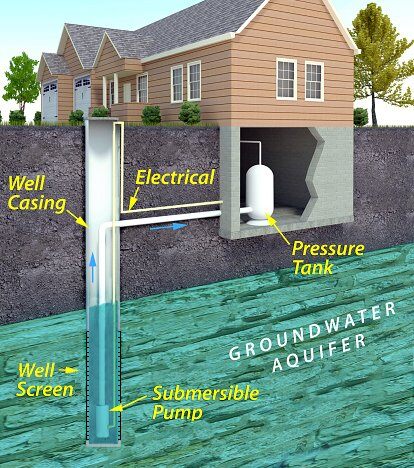
In Montana, well water is especially common, and private wells are not regulated the way municipal supplies are. That means the responsibility for testing and monitoring falls entirely on the homeowner. Even homeowners on public water supplies benefit from home water testing, since pipes within the home, especially in older houses, can introduce contaminants like lead that the municipal treatment process doesn’t address.
What Home Water Testing Checks For
The scope of a water test depends on what you’re trying to learn. A basic water quality test typically checks for coliform bacteria, nitrates, pH, hardness, and a handful of common minerals. More comprehensive panels can screen for heavy metals, pesticides, volatile organic compounds, and specific contaminants associated with local geology or land use.
For well owners, an annual test for bacteria and nitrates at minimum is widely recommended. Additional testing based on local conditions, arsenic is a known concern in certain Montana geological zones, for instance, adds another layer of protection. Home water testing after any flooding event is also smart, since floodwater can introduce bacteria and other contaminants into well systems.
How Home Water Testing Works
The process is less complicated than most people expect. A water sample is collected from a tap, usually following specific protocol around which tap to use and how long to run the water before collecting, and sent to a certified laboratory for analysis. Results are typically returned within a few days to a couple of weeks depending on the test panel.
Professional water testing services, like those offered alongside home inspections, ensure the sample is collected correctly and sent to an accredited lab, giving results that are reliable and legally defensible if needed for a real estate transaction. This is especially important for buyers purchasing a home with a private well, where a clean water test is often required by lenders.
Understanding Your Water Test Results
A water test report can look intimidating at first glance, lots of numbers, parameters, and acronyms. But the basics are straightforward. Each contaminant has a maximum contaminant level (MCL) established by the EPA. If your results come in below those thresholds, you’re in good shape. If anything comes back elevated, the report will typically indicate what action, if any, is recommended.
Common responses to water quality issues include installing a point-of-use filter, a whole-house filtration system, a UV treatment system for bacteria, or addressing the source of contamination if possible. A water quality professional can help interpret results and recommend the right treatment approach.
When to Schedule Home Water Testing
The most obvious time is during a home purchase, especially for properties with wells. But current homeowners should consider testing if they’ve never done so, if they’ve noticed changes in taste, odor, or color, if there’s been flooding or construction near a well, or if a neighbor has identified a water quality issue on their property. Home water testing is also worth scheduling if someone in the household is pregnant or if you have an infant who drinks formula made with tap water.
Frequently Asked Questions
How often should I test my well water? The EPA recommends testing private well water at least once a year for bacteria and nitrates. Additional testing based on local conditions or specific concerns is worth discussing with a home inspector or water quality professional.
Does home water testing work for city water too? Yes. Even homes on municipal water can benefit from home water testing, particularly to screen for lead from older household pipes, water heaters, or fixtures. Municipal treatment addresses many contaminants but doesn’t account for what happens inside the home’s plumbing.
What does water testing cost? Basic water quality tests typically run $50 to $150. More comprehensive panels that test for a wider range of contaminants can range from $150 to $400 or more. Professional water testing through a home inspection company often includes proper sampling protocols and lab submission.
Can I collect the water sample myself? In some cases, yes, but proper collection protocol matters. Contaminating the sample during collection can skew results. Professional water testing ensures samples are collected correctly, which is especially important for real estate transactions where accurate results are critical.
If my water tests positive for bacteria, what do I do? First, stop drinking untreated water from that source until the issue is resolved. Then consult with a water quality or well professional to identify the source, it could be a surface water intrusion issue, a cracked well casing, or a failing treatment system. Shock chlorination of the well is often a first step, followed by a retest.
Schedule your inspection with Riverbend Property Inspections today or call us to learn more! Riverbend Property Inspections provides Residential Home Inspections, Radon Testing, Mold and water/well Testing in Bozeman, Belgrade, Livingston, Ennis, Butte, Helena, Three Fork and Southwest Montana, Gallatin Valley.