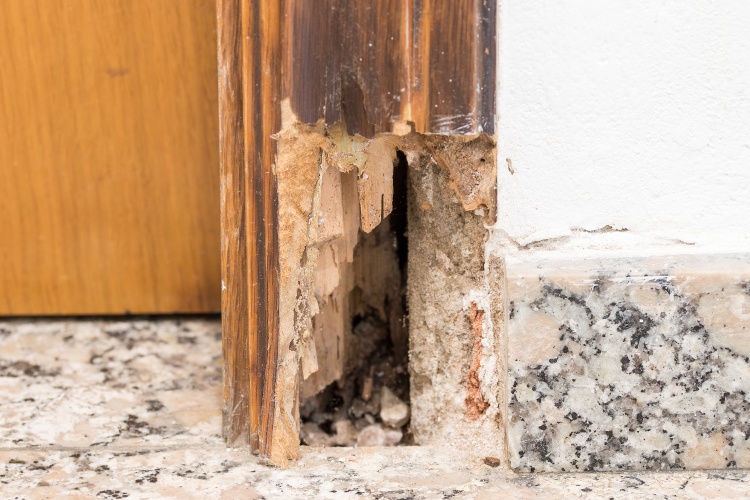
A home mold inspection isn’t something most homeowners think about until they notice a musty smell or spot something dark growing behind the washing machine. But by then, a problem may have already been quietly growing for months. Mold is one of those issues that thrives in places that don’t get a lot of attention, inside walls, under flooring, in crawl spaces, above ceiling tiles, and it can affect both the structural integrity of a home and the health of the people living in it. Understanding when and why to schedule a home mold inspection could protect your family and your investment.
What Is a Home Mold Inspection?
A home mold inspection goes beyond what a standard property inspection covers. While a general home inspection might flag moisture intrusion or water damage that could lead to mold growth, a dedicated mold inspection involves a more focused investigation specifically looking for evidence of mold, visible growth, moisture readings, and in some cases, air or surface sampling sent to a lab for analysis.
Mold inspectors use tools like moisture meters, thermal imaging cameras, and borescopes to assess areas that aren’t visible to the naked eye. The goal is to identify whether mold is present, where it’s located, what type it is, and how serious the situation is.
Signs That a Home Mold Inspection Is Warranted
There are several circumstances that make scheduling a home mold inspection a smart move. A persistent musty odor, especially in basements, bathrooms, or near HVAC systems, is a strong signal. Visible discoloration on walls, ceilings, or around windows that reappears after cleaning is another. If anyone in the household has been experiencing unexplained allergy symptoms, respiratory irritation, or headaches that seem to improve when they leave the house, mold could be a contributing factor.
Past flooding, roof leaks, or plumbing failures are also strong reasons to investigate. Mold can begin growing within 24 to 48 hours of a water event and may continue developing long after the surface appears dry. Homes in Montana that deal with snowmelt, ice dams, or poorly sealed crawl spaces are especially vulnerable to the kind of moisture accumulation that invites mold.
What Happens During a Home Mold Inspection?
A thorough home mold inspection typically begins with a walkthrough to identify areas of concern, followed by targeted use of moisture detection equipment. Inspectors look at basements and crawl spaces, attics, bathrooms and kitchens, around windows and exterior walls, and any area with known or suspected water history.
If testing is recommended, an inspector may take air samples and surface swabs that are analyzed by an independent laboratory. This can identify specific mold species and spore counts, helping determine whether levels are elevated compared to outdoor baseline samples. Lab results typically take a few days to return.
What Mold Testing Results Actually Mean
Not all mold is created equal. Some mold species are relatively common and found in most homes at low levels without posing significant risk. Others, like certain strains associated with water-damaged buildings, can be more problematic. A good home mold inspection report will explain what was found, where it was found, and what the implications are in plain language, not just hand over a list of Latin species names and call it done.
If significant mold growth is confirmed, remediation by a qualified professional is the appropriate next step. Remediation involves removing or cleaning affected materials and addressing the underlying moisture source, because without fixing the moisture problem, mold will return regardless of how thoroughly it’s cleaned up.
Mold Inspections for Real Estate Transactions
Home mold inspection is increasingly common as an add-on service for buyers who want a more complete picture before closing. Sellers who are aware of past water intrusion issues may also choose to do a pre-listing mold inspection to get ahead of potential findings and address them proactively. In either case, documented results provide clarity and reduce the chance of post-closing disputes.
Frequently Asked Questions
Can I test for mold myself? DIY mold test kits exist, but they have significant limitations, including high false-positive rates and an inability to identify the location or extent of growth. A professional home mold inspection provides far more actionable information.
What does mold remediation cost? Remediation costs vary widely based on the extent and location of growth. Minor surface mold in a bathroom might cost a few hundred dollars to address. More extensive mold affecting structural components or HVAC systems can run several thousand dollars or more.
Is all mold dangerous? Not all mold poses the same health risk, but any mold growing inside a home indicates a moisture problem that should be addressed. Some individuals, particularly children, the elderly, and those with respiratory conditions, are more sensitive to mold exposure at lower levels.
Does a standard home inspection include mold testing? Generally, no. A standard inspection may note conditions that are conducive to mold growth, but specific mold testing requires a dedicated home mold inspection with lab analysis as a separate service.
How long does a mold inspection take? Most home mold inspections take one to two hours for the on-site portion. If samples are collected, lab results typically take a few additional days before a complete report can be delivered.
Schedule your inspection with Riverbend Property Inspections today or call us to learn more! Riverbend Property Inspections provides Residential Home Inspections, Radon Testing, Mold and water/well Testing in Bozeman, Belgrade, Livingston, Ennis, Butte, Helena, Three Fork and Southwest Montana, Gallatin Valley.